As global interest in artificial intelligence platforms accelerates, so does curiosity about the infrastructure powering them. DeepSeek, a rapidly emerging AI company, has attracted attention not only for its models but also for the underlying data centers that make its services possible. Questions about where DeepSeek’s data centers are located, which hosting providers it relies on, and how it handles data residency are especially relevant to businesses evaluating regulatory compliance, performance, and security. Understanding these factors offers valuable insight into how modern AI platforms operate at scale.
TLDR: DeepSeek’s infrastructure is primarily anchored in mainland China, with growing cloud-based deployments that may extend to additional regions depending on service needs. The company relies heavily on large-scale cloud and colocation providers to supply compute-heavy AI workloads. Data residency policies largely align with Chinese cybersecurity laws but may vary for international services. Businesses concerned about regulatory requirements should confirm region-specific data handling before adopting DeepSeek solutions.
Why Data Center Location Matters
Before diving into DeepSeek’s specific infrastructure footprint, it’s important to understand why location matters in the first place. For AI companies, data center regions influence:
- Latency and performance for users in different geographic markets
- Data sovereignty compliance with local regulations
- Operational resilience through disaster recovery planning
- Energy availability for compute-intensive workloads
- Network connectivity across domestic and global routes
AI workloads are especially sensitive to infrastructure design because training and inference require massive computational power. Training large language models demands clusters of GPUs operating in tightly networked environments, while inference workloads must remain responsive even under high traffic spikes.
Primary Server Regions: Mainland China
DeepSeek is widely understood to operate primarily within mainland China, leveraging domestic cloud infrastructure. This aligns with the company’s origins and core user base. Chinese data centers are typically clustered around major technology hubs such as:
- Beijing – A political and regulatory center with major technology presence
- Shanghai – A financial hub with robust network connectivity
- Shenzhen – Close to hardware supply chains and innovation hubs
- Guangzhou – A growing digital infrastructure region
These cities host some of the largest data center campuses in Asia. Many facilities are purpose-built for high-density workloads, especially GPU clusters required for AI development.
Image not found in postmetaChinese hyperscale data centers often feature:
- Advanced liquid or hybrid cooling systems
- Redundant power supplies and backup generators
- Dedicated AI-optimized chip clusters
- Tier III or Tier IV uptime standards
Operating domestically allows DeepSeek to comply more easily with China’s Cybersecurity Law, Data Security Law, and Personal Information Protection Law (PIPL), which impose strict requirements on data handling and cross-border transfer.
Cloud Hosting Providers and Infrastructure Strategy
Rather than building entirely independent data centers from the ground up, many AI companies partner with established hyperscale cloud providers. DeepSeek is widely believed to leverage major Chinese cloud vendors, potentially including:
- Alibaba Cloud
- Tencent Cloud
- Huawei Cloud
- Baidu AI Cloud
These providers offer:
- High-performance GPU clusters
- Elastic compute scaling
- Enterprise security certifications
- Geographically distributed availability zones
This hybrid approach offers flexibility. Instead of owning every physical data center, DeepSeek can deploy AI training clusters where GPU inventory, electricity pricing, and networking conditions are most favorable.
For large AI model training, companies frequently use dedicated GPU superclusters. These clusters may include thousands of NVIDIA-class or domestic AI accelerators connected by high-speed internal networking fabrics. The energy demands alone often require regions with strong grid infrastructure and favorable industrial electricity pricing.
International Deployment: Is DeepSeek Global?
As AI services expand globally, deployment often follows demand. While DeepSeek’s primary base appears domestic, international-facing services may rely on cloud regions located outside mainland China. These deployments, if present, typically exist in:
- Hong Kong
- Singapore
- Other Asia-Pacific cloud hubs
Singapore is particularly attractive for international AI services due to:
- Stable regulatory frameworks
- Strong connectivity to Europe and the United States
- Enterprise-friendly data protection laws
However, it’s important to distinguish between publicly accessible services and internal model training environments. Training clusters often remain in a single sovereign region, while inference endpoints can be deployed closer to end users to improve responsiveness.
Data Residency and Compliance Considerations
Data residency refers to where data is physically stored and processed. For AI platforms, this includes:
- User account information
- Prompts and interaction logs
- Uploaded files and structured data
- Model fine-tuning datasets
In mainland China, strict regulations govern how personal data may be transferred abroad. Companies must undergo security assessments and may need regulatory approval before exporting certain categories of data.
Organizations using DeepSeek should evaluate:
- Whether user data remains within Chinese territory
- Whether logs are retained and for how long
- If cross-border data transfers occur
- What encryption standards are applied in transit and at rest
For enterprises in Europe or North America, compliance frameworks like GDPR, CCPA, or sector-specific regulations may require explicit clarity on data flows. If data is routed through Chinese infrastructure, additional legal assessments may be necessary.
Architecture for AI Workloads
AI workloads differ from traditional web hosting. Instead of focusing primarily on CPU and storage, AI services depend on:
- High-density GPU racks
- Ultra-fast interconnects such as InfiniBand
- Massive parallel processing capacity
- Advanced heat dissipation systems
DeepSeek’s infrastructure likely incorporates distributed training architecture. In this model:
- Data is preprocessed in distributed nodes.
- Model shards are trained across multiple GPU clusters.
- Gradients are synchronized using high-speed communication protocols.
- Final model weights are aggregated and deployed to inference servers.
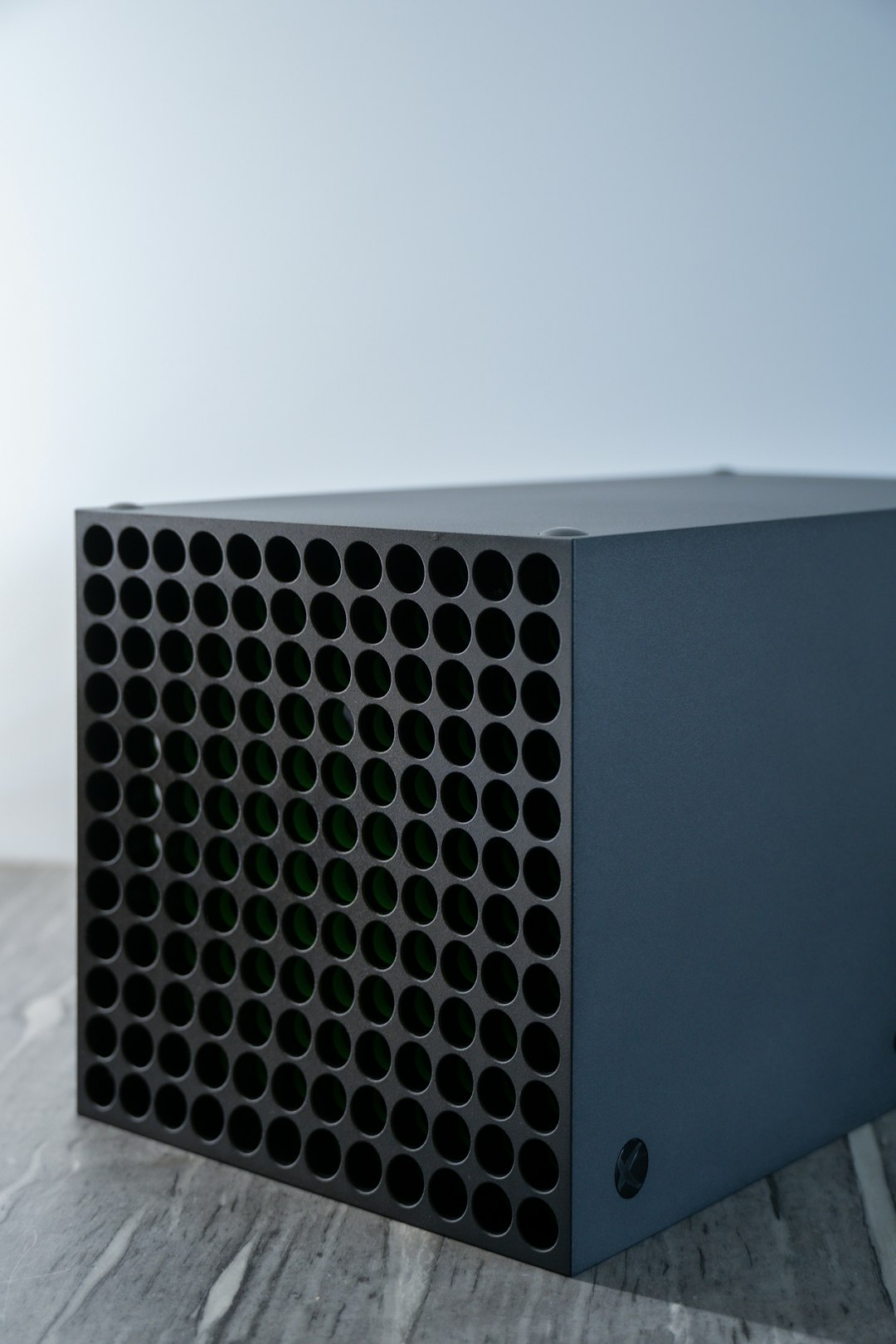
Inference infrastructure differs slightly. It is usually optimized for:
- Low-latency responses
- Horizontal scalability
- Efficient batching of user requests
Resilience and Redundancy
Given the scale of AI demand, downtime can be costly. DeepSeek likely implements multi-layer redundancy strategies, including:
- Multiple availability zones within one region
- Automated failover systems
- Backup storage replication
- Network traffic rerouting
Some AI providers adopt an active-active configuration, where traffic is simultaneously served by multiple regions. Others prefer active-passive setups, where a standby region activates only during outages. The specific design often depends on regulatory restrictions and network topology.
Energy and Sustainability Factors
AI data centers consume extraordinary amounts of electricity. Training large models can require megawatts of sustained power over weeks or months. Consequently, location decisions increasingly consider:
- Access to renewable energy
- Local grid stability
- Industrial electricity pricing
- Environmental regulations
Some Chinese provinces actively promote green data center initiatives, encouraging operators to locate facilities near hydroelectric or wind energy sources. If DeepSeek participates in such initiatives, its carbon footprint could be partially offset by renewable integration.
Security Practices and Physical Protections
High-value AI models and training data are prime targets for cyber threats. Data center security for companies like DeepSeek typically includes:
- Biometric access control
- 24/7 surveillance systems
- Hardened perimeter barriers
- Encrypted internal networking
On the digital side, secure model hosting includes:
- Role-based access controls
- Audit logging
- Data segmentation
- Encryption at rest and in transit
These safeguards help prevent unauthorized access, whether from insiders or external actors.
What This Means for Businesses
For enterprises considering DeepSeek, infrastructure transparency matters. Key questions to ask include:
- In which country will our data physically reside?
- Are backups stored in separate regions?
- What certifications does the hosting provider maintain?
- Can we request region-specific deployment?
Businesses operating in regulated sectors such as finance, healthcare, or telecommunications should conduct detailed vendor risk assessments. Even if the AI tool meets functional requirements, infrastructure location and compliance alignment may determine viability.
The Bigger Picture
DeepSeek’s data center footprint reflects a broader shift in AI infrastructure strategy. Rather than concentrating everything in one global cloud provider, companies increasingly mix domestic hosting, hyperscale partnerships, and regional inference deployments.
As geopolitical factors influence semiconductor supply chains and cross-border data rules, AI infrastructure decisions become both technical and political. Where DeepSeek’s servers are located is not just a technical curiosity—it is central to understanding latency performance, compliance posture, and operational resilience.
Ultimately, the future may see more localized AI deployments, where regional data centers host localized models tailored to specific languages, industries, or regulatory environments. In that context, DeepSeek’s evolving server footprint will likely continue to expand and adapt.
In summary, DeepSeek appears to anchor its core infrastructure in mainland China while leveraging cloud partnerships and possibly limited regional deployments beyond. Its data residency practices likely prioritize domestic regulatory compliance, with international considerations varying by service model. As AI adoption grows, infrastructure transparency will remain a key factor for organizations evaluating both performance and trust.