In the complex and highly regulated world of healthcare, accurate professional identification is more than just a necessity—it’s essential to ensuring safety, transparency, and proper billing. One tool that plays a crucial role in this process is the National Provider Identifier (NPI). In this article, we’ll delve into what the NPI is, why it’s important in the healthcare system, and use the example of Mina Iskaros to better understand how professionals are identified and how their public credentials can impact trust and efficiency within the healthcare industry.
TL;DR (Too Long; Didn’t Read)
The National Provider Identifier (NPI) is a unique 10-digit number issued to healthcare providers in the U.S., crucial for administrative and billing purposes. It ensures consistency, transparency, and traceability in medical transactions. Using Mina Iskaros as an example helps us understand how NPIs work in real-world contexts. This system plays a vital role in building trust among patients, healthcare providers, and insurers alike.
What is an NPI?
The National Provider Identifier (NPI) is a standard 10-digit number assigned to healthcare providers across the United States by the Centers for Medicare and Medicaid Services (CMS). Introduced as part of the Health Insurance Portability and Accountability Act (HIPAA), the NPI helps to uniquely identify healthcare service providers during transactions including billing, referrals, and prescriptions.
The NPI replaces legacy identifiers, such as National Supplier Clearinghouse (NSC) codes or Unique Physician Identification Numbers (UPINs), which varied across different health plans and systems. Today, the NPI serves as a unified, federal standard for provider identification.
Why is Professional Identification So Important?
Healthcare is built upon systems of documentation, trust, collaboration, and accountability. Having a unique identifier for each medical professional ensures that:
- Patients receive accurate services attributed to specific providers
- Billing is properly managed so no claims are disputed due to provider confusion
- Credentialing and validation of experience and licensure is possible across multiple institutions
- Referrals and treatment plans are coordinated efficiently across specialties
By assigning each provider a permanent NPI, the medical ecosystem moves closer to full standardization and digitization—essential steps in today’s data-driven world.
Who is Mina Iskaros and What Can We Learn From His NPI?
Mina Iskaros is a registered healthcare provider whose NPI listing gives us a glimpse into how professional identification works in practice. A search for Mina Iskaros’s NPI number reveals key details such as credentials, practice location, taxonomy—also known as medical specialty—and the organizations associated with his services.
This structured set of information is publicly available and regulated to maintain transparency in the flow of healthcare data. Patients and care coordinators can access these records to verify the legitimacy of a provider and understand the qualifications they bring to the table.
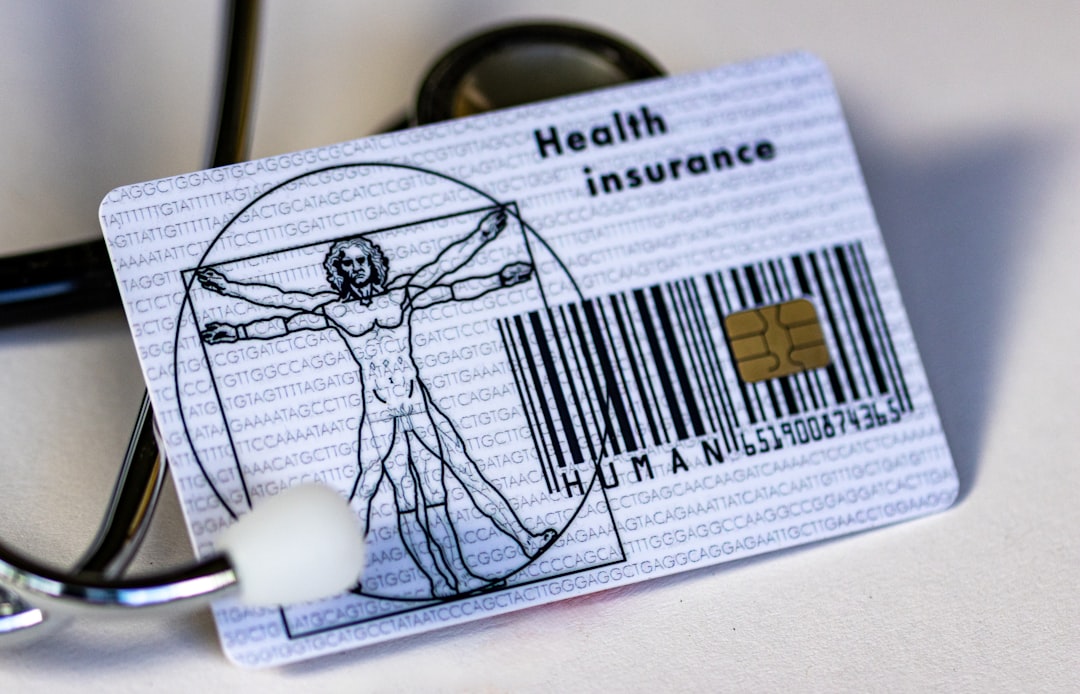
Details Typically Available in an NPI Lookup Include:
- Full Legal Name of the provider
- NPI Number (a unique 10-digit code)
- Credentials and Titles (MD, NP, RN, etc.)
- Practice Address
- Phone and Fax Numbers
- Primary Taxonomy Code (which indicates the provider’s primary specialty)
- License Number and Issuing State
Using the NPI, entities such as hospitals, pharmacies, insurers, and even patients can confirm Mina Iskaros’s active status and validate his medical credentials. This digital footprint helps ensure a foundation of trust and verifiability across the healthcare industry.
Benefits of the NPI System
The NPI system doesn’t just serve administrative functions—it positively impacts almost every facet of healthcare. Here are some of the benefits:
1. Improved Patient Safety
By ensuring that every action is traceable to the exact provider, NPIs minimize the risk of accidental misattribution or incorrect data being connected to the wrong person. This is vital in managing medications, diagnostics, and follow-ups.
2. Efficient Billing and Claims Management
NPIs enable billing systems to run more smoothly, preventing confusion and reducing claim rejections. Insurance companies can easily match services rendered to eligible providers.
3. Faster Credentialing and Verification
When a practitioner like Mina Iskaros applies for a role at a new institution or joins a provider network, his NPI instantly provides verifiable background data that simplifies the hiring or acceptance process.
4. Provider Data Portability
Even when healthcare professionals change jobs, move states, or acquire new specializations, their NPI follows them. This continuity makes long-term tracking and collaboration easier.
How to Look Up a Provider’s NPI Record
Looking up the NPI for Mina Iskaros—or any authorized healthcare provider—is both easy and free. The NPI Registry maintained by the CMS provides a public search feature that allows users to enter a name, organization, or even taxonomy codes to locate and verify medical professionals.
Steps to Perform an NPI Lookup:
- Go to the official NPI Registry website
- Enter the provider’s full name or NPI number
- Click Search and review the profile generated
- Confirm taxonomy, license info, and affiliations
This transparency reinforces confidence in the provider’s services and gives peace of mind to both patients and business stakeholders in healthcare settings.
Common Misconceptions About the NPI
Despite its relevance, several myths still persist about NPIs:
- Myth: Only doctors get NPIs.
Fact: NPIs are assigned to a wide range of providers including nurse practitioners, dentists, physical therapists, and even some health organizations. - Myth: NPIs are confidential.
Fact: NPI information is public, allowing patients and healthcare administrators to perform verifications easily. - Myth: NPIs can be reused.
Fact: Once assigned, an NPI belongs to the individual or entity permanently and is never reassigned, even after retirement or cessation of services.
Final Thoughts
In a time when data integrity and transparency are critical within the healthcare industry, tools like the National Provider Identifier system bring an essential layer of structure and reliability. By using the example of Mina Iskaros, we’ve explored how these identifiers provide invaluable support in everyday medical operations—from insurance claims to patient care coordination.
Whether you’re a patient verifying your provider’s credentials or a healthcare institution onboarding new professionals, understanding and effectively using NPI information can make a world of difference. In the end, it all comes down to building a system of care that’s trustworthy, efficient, and future-ready.