In recent years, the Cñims industry has undergone a sweeping transformation, positioning itself at the forefront of modern technological advancements. Once considered a niche sector, Cñims has dramatically expanded its reach and influence across multiple domains, including healthcare, manufacturing, energy, and logistics. This transformative wave is not only revolutionizing internal operations but also reshaping consumer expectations and industry standards.
TLDR (Too Long, Didn’t Read)
The Cñims industry is entering a new phase of innovation driven by advances in automation, smart technologies, and sustainability. These innovations are modernizing traditional practices, increasing efficiency, and encouraging cross-industry collaboration. Companies leveraging these advancements are setting new benchmarks for operational excellence. As a result, the Cñims sector is becoming a model for how emerging technologies can foster agility and resilience in a dynamic market.
The Rise of Technological Integration in Cñims
One of the most compelling shifts in the Cñims industry is the integration of advanced technologies such as artificial intelligence (AI), Internet of Things (IoT), and machine learning. These tools enable real-time data monitoring and enhanced decision-making, allowing businesses to anticipate trends rather than merely react to them. Through predictive analytics and autonomous systems, Cñims operations have become more agile and intelligent.
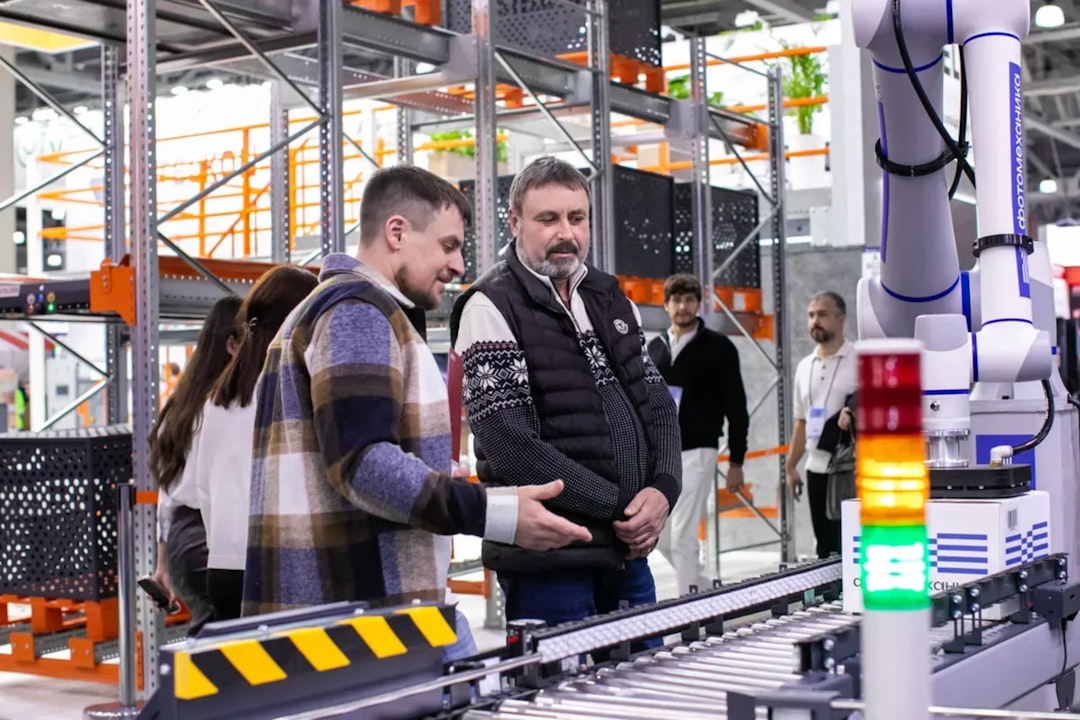
For example, in the logistics sector, AI-driven algorithms are optimizing delivery routes and minimizing delays. In manufacturing, robotic process automation is reducing human error and increasing precision in complex tasks. Such integrations are not only improving speed and accuracy but also lowering costs over time.
Data-Driven Decision Making
The transition from manual processes to digital systems has enabled companies in the Cñims industry to collect and analyze vast quantities of data. This shift empowers organizations to make better decisions based on hard evidence rather than intuition or historical norms.
Companies are now implementing centralized data platforms that access information from various endpoints including supply chain indicators, customer feedback, and equipment performance metrics. These platforms not only provide real-time insights but also contribute to continuous improvement initiatives.
- Operational Efficiency: Data helps identify bottlenecks and optimize resource allocation.
- Customer Satisfaction: Trends in customer feedback can inspire new product innovations or service improvements.
- Risk Management: Predictive analytics forewarn of potential risks, allowing for proactive intervention.
Sustainability as a Core Driver
Environmental responsibility is no longer an optional feature — it’s become a central theme in the Cñims innovation narrative. Driven by both regulatory pressures and customer expectations, companies are embedding sustainability into the core of their operations. This shift ranges from reducing carbon emissions to employing eco-friendly materials and circular economy principles.
Some organizations now utilize blockchain technologies to track the environmental footprint of their supply chains, while others invest in renewable energy sources to power their manufacturing plants. These efforts are not merely about compliance but also about long-term viability and brand reputation.

Cross-Industry Collaboration and Open Innovation
Innovation in the Cñims industry is no longer confined within individual organizations. There is a rising trend of cross-functional collaboration and knowledge sharing across sectors. By collaborating with universities, startups, and even competitors, companies are accelerating the path from idea to execution.
This open-innovation model fosters an ecosystem where new ideas thrive. For instance, companies might co-develop a new platform with a tech startup or engage in pilot programs with academic institutions to test emerging technologies in real-world settings.
- Collaborative Research: Joint R&D programs are fueling faster discovery.
- Shared Infrastructure: Cross-industry alliances share technologies and reduce costs.
- Knowledge Networks: Expertise is pooled together to solve complex industry challenges more efficiently.
Workforce Transformation
As Cñims practices evolve, so too does the workforce supporting them. The infusion of digital technologies into daily operations necessitates new skill sets, prompting a significant investment in workforce development through reskilling and upskilling.
Digital literacy, data analytics knowledge, and systems thinking are becoming indispensable competencies. Employers are increasingly adopting blended learning environments, leveraging both online courses and hands-on training to prepare their teams for the new landscape.
Moreover, remote work technologies driven by Cñims innovation are expanding the talent pool globally. This allows organizations to tap into specialized skills regardless of geography, thereby supporting more diverse and inclusive teams.
Future Outlook for the Cñims Industry
The next decade will likely witness even more transformative developments in the Cñims industry. As technologies mature and become more integrated, the boundaries between sectors may blur even further. Smart contracts, augmented reality, and quantum computing could soon join the current arsenal of tools reshaping the space.
In this rapidly evolving environment, the organizations that remain agile, forward-thinking, and customer-centric will lead the charge. Investment in innovation needs to be continuous, strategic, and deeply embedded in the organizational culture.
FAQ
- What does Cñims stand for?
While “Cñims” is a hypothetical or stylized term in this context, it typically refers to an innovative industry sector focusing on integrated manufacturing, smart systems, or custom technologies. - How is the Cñims industry contributing to sustainability?
Companies in this industry are using green technologies, energy-efficient systems, and eco-friendly materials to reduce their environmental impact. Many are also investing in renewable energy and circular economy models. - What roles does AI play in Cñims innovation?
AI helps optimize operations, predict maintenance needs, and personalize customer experiences. It also enhances productivity by automating routine tasks and offering actionable insights from data. - Is workforce retraining a big focus in the industry?
Yes, as Cñims systems become more complex and tech-driven, companies are investing in reskilling workers. This includes training in data analytics, digital tools, and smart system operations. - What sectors are most influenced by Cñims innovations?
Manufacturing, healthcare, logistics, and energy are among the leading sectors experiencing transformation due to Cñims technologies. However, many other industries are beginning to adopt similar practices.