Maintaining fitness is a multifaceted endeavor that includes consistent physical activity, sufficient rest, and a well-balanced approach to food. One recurring question among health-conscious individuals is how many times you should eat throughout the day to stay fit. The answer isn’t as simple as a universal number. In fact, effective meal frequency depends on lifestyle, goals, physiological factors, and personal preference.
TL;DR – How Many Times Should You Eat to Stay Fit?
There’s no one-size-fits-all answer to meal frequency, but common recommendations range from three to six meals per day depending on your fitness goals and metabolism. Eating more frequently doesn’t necessarily improve metabolism or fat loss, but smaller, balanced meals can help control hunger and sustain energy. Prioritize the quality and composition of your meals over precise meal timing or frequency. Listen to your body, monitor your progress, and tailor your eating habits accordingly.
Understanding Meal Frequency and Fitness
The question of how often to eat for optimal fitness has sparked extensive debate. On one side, proponents of frequent small meals argue that it keeps your metabolism steady and prevents hunger. On the other hand, advocates of fewer, larger meals may point to simplicity and digestive efficiency. So, what does science say about this?
Metabolism Myths and Realities
One of the most persistent myths is that eating more frequently boosts your metabolism. While it’s true that digestion increases your metabolic rate temporarily (known as the thermic effect of food), this effect is proportional to the amount of food consumed. Whether you eat 2,000 calories in three meals or six, the thermic effect remains largely the same.
In other words, splitting your calories into smaller meals doesn’t magically burn more calories. What matters more is total calorie balance and nutrient quality.
Common Meal Frequency Patterns
Let’s look at the most popular eating patterns and how they align with fitness objectives:
- Three Meals a Day: This traditional pattern—breakfast, lunch, and dinner—is sustainable and familiar for most. When meals are well-balanced, this approach provides steady energy and covers nutritional needs.
- Five to Six Small Meals: Often popular among bodybuilders and athletes, this routine involves eating every 2–3 hours. It may help prevent hunger and maintain blood sugar, but requires greater planning and discipline.
- Two Meals a Day or Intermittent Fasting: This method is centered around time-restricted eating (such as 16:8 fasting). It may work well for fat loss and appetite control in some individuals, as long as nutrient intake remains adequate.
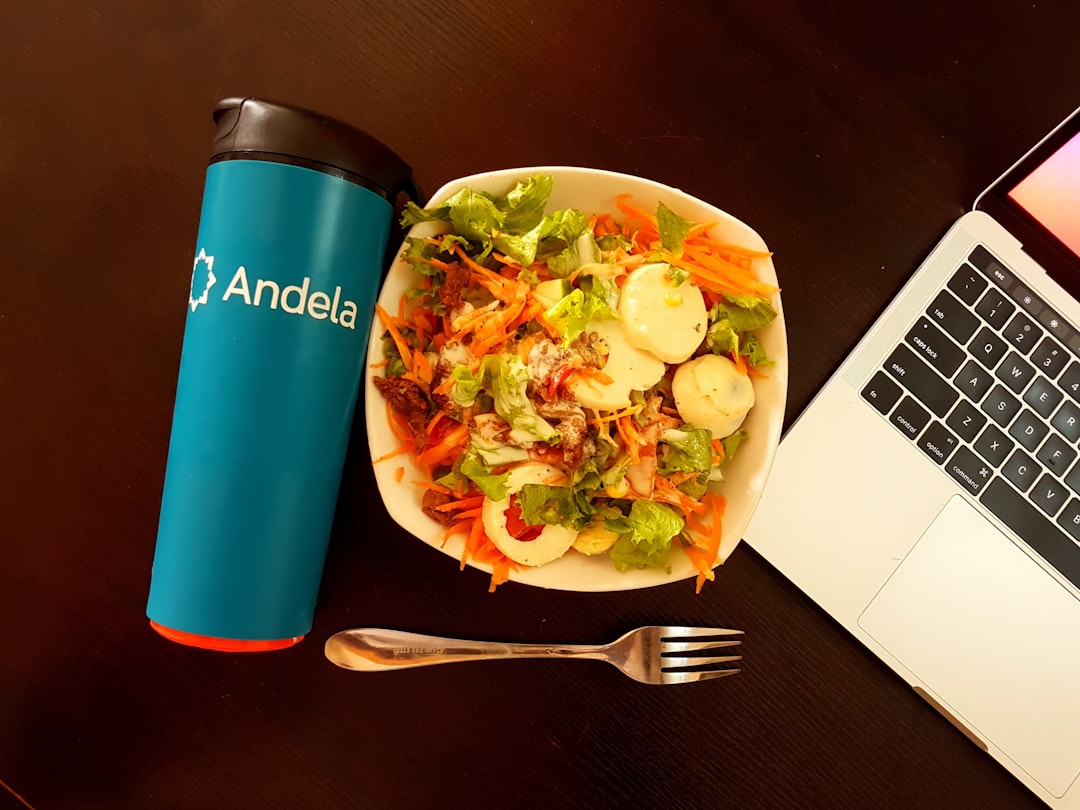
Each pattern comes with benefits and drawbacks depending on your goals, schedule, and personal biology. What’s critical is whether the eating pattern is sustainable and supports your fitness routine over time.
Factors to Consider When Choosing Meal Frequency
Before deciding how often to eat, consider the following factors:
1. Your Fitness Goals
If you’re aiming to gain muscle, eating more frequently can make it easier to consume enough protein and calories. For those looking to lose weight, a lower meal frequency might help reduce overall calorie intake by limiting opportunities to eat.
2. Blood Sugar Sensitivity and Hunger Control
Eating every 3–4 hours may help maintain stable blood glucose levels and prevent crashes in energy or sudden hunger. However, some individuals thrive on fewer meals per day, especially when meals are rich in fiber, protein, and healthy fats.
3. Digestive Health
Your digestive system needs time between meals to function optimally. Overeating or eating constantly can burden the gastrointestinal tract and lead to issues like bloating and discomfort. A gap of at least 3 hours between meals is generally recommended.
4. Convenience and Lifestyle
Realistically, your daily schedule may not allow for multiple snack breaks or elaborately timed meals. Choose a meal frequency that fits into your weekday routine without adding stress. Eating habits you can maintain are more valuable than trying to emulate someone else’s plan.
Quality Over Quantity: What You Eat Matters Most
Whether you eat three or six times a day, what matters most for fitness is what’s on your plate. The foundation of a fitness-supportive diet includes:
- High-quality protein: supports muscle repair and satiety. Examples include lean poultry, fish, legumes, tofu, and eggs.
- Healthy fats: aid hormone regulation and brain function. Good sources are avocados, nuts, seeds, and olive oil.
- Complex carbohydrates: provide sustained energy. Opt for whole grains, vegetables, fruits, and legumes.
- Plenty of fiber: helps digestion and keeps you full.
- Consistent hydration: aids metabolism and performance.
Balancing macronutrients at each meal helps regulate appetite and supports exercise performance and recovery.
The Role of Appetite and Satiety Hormones
Your body produces hormones like ghrelin (which stimulates hunger) and leptin (which signals fullness). Meal timing and quality influence these hormones significantly. Eating protein-rich meals regularly can suppress ghrelin levels and promote a stable appetite.
Interestingly, meal frequency doesn’t always dictate hunger. Some who eat more often feel hungrier because they never fully satisfy their cravings, which can lead to overeating. Others find they feel fuller for longer on fewer, more complete meals.
What Does Science Recommend?
Research has shown mixed results:
- A 2010 study in *British Journal of Nutrition* showed that increased meal frequency didn’t significantly affect weight loss or appetite in overweight individuals.
- In contrast, a 2013 study in *Obesity* revealed that high-protein meals distributed over three meals reduced late-night hunger more effectively than smaller meals spaced throughout the day.
- Scientists agree that meal frequency has minimal impact on metabolic rate as long as total calorie intake remains the same.
Thus, the best approach combines a focus on nutritional content with a frequency that supports your energy and lifestyle.
Practical Tips for Finding Your Ideal Meal Schedule
- Track your energy and hunger: Monitor how you feel when eating more or fewer times per day for a week or two and observe changes.
- Use meal prepping: Regardless of frequency, planning meals ensures you eat nutritious food and avoid ultra-processed convenience options.
- Don’t fear snacks: A well-timed, protein-rich snack can curb unhealthy evening cravings and support muscle recovery.
- Adapt to training needs: If you train intensely in the afternoon, be sure to fuel appropriately with a pre- and post-workout meal or snack.

Conclusion: Listen to Your Body, Not Just Trends
There is no universally “correct” number of times to eat in order to stay fit. The most successful approach is highly individualized. Some people feel best with three large meals low in sugar and high in nutrients, while others thrive on five or six smaller meals a day. As long as your total caloric intake aligns with your fitness goals and your nutrient intake is well-balanced, meal frequency becomes a tool for habit-building rather than a strict rule.
Ultimately, the simplest and most sustainable approach tends to be the most effective. Consult a registered dietitian or nutritionist if you’re unsure where to start, especially if you have underlying health conditions. Your body is your best guide—listen, adjust, and stay consistent.