



From sacred roots to mainstream performances, Hochre has traveled a winding path steeped in tradition and transformation. What started as a regional ritual has grown into a potent symbol of resilience, artistic expression, and cultural evolution. For many, Hochre is not just a form of communication or performance—it is a way of life, continually reshaped by social, political, and artistic forces.
TL;DR — The Journey of Hochre in Brief
Hochre originated as a tribal performance art rooted in ceremonial tradition. Over time, it evolved through urbanization, globalization, and cultural exchange, becoming part of mainstream expression across various media. Today, Hochre serves as a platform for social commentary, artistic innovation, and cross-cultural dialogue. Its blend of movement, rhythm, and storytelling carries the weight of history while embracing modern relevance.
The Origins of Hochre
The roots of Hochre stretch back centuries to indigenous communities in the southeastern regions of what is now known as Quendel. It began as a ritualistic performance associated with seasonal transitions and spiritual ceremonies. Originally, it included rhythmic chanting, symbolic gestures, and a specific percussive cadence created with handmade instruments.
These early iterations were deeply symbolic. Each movement and sound had unique meaning, often reflecting ancestral wisdom, agricultural cycles, and cosmological beliefs. Hochre, at that stage, was not intended for entertainment but for connection—between people, land, and the divine.
From Sacred to Stage: Hochre in the Colonial Era
The arrival of foreign influence dramatically altered the trajectory of traditional Hochre. Colonizing powers initially suppressed indigenous practices, viewing them as pagan or uncivilized. Yet, the vibrant nature of Hochre could not be entirely silenced.
Under restrictions, Hochre adapted. Performers encoded messages of resistance and identity within its form. It became a medium of subtle defiance and communal unity. As it crept into colonial-era festivals and underground gatherings, Hochre began transitioning from a purely sacred practice to a form of social expression.
The Urban Explosion: Hochre in the 20th Century
The 20th century saw rapid urbanization and migration, which brought Hochre from rural villages into crowded city centers. There, it clashed and coalesced with other expressive forms such as contemporary dance, jazz, and beat poetry. Artists from historically oppressed communities began reinterpreting the form to address urban struggles, identity crises, and cultural pride.
It was during this period that Hochre moved into the realms of performance art, theater, and public protest. Troupes began forming, combining movement with narration and music to present hybrid performances that were both gripping and poignant.

Modern Interpretations and Global Influence
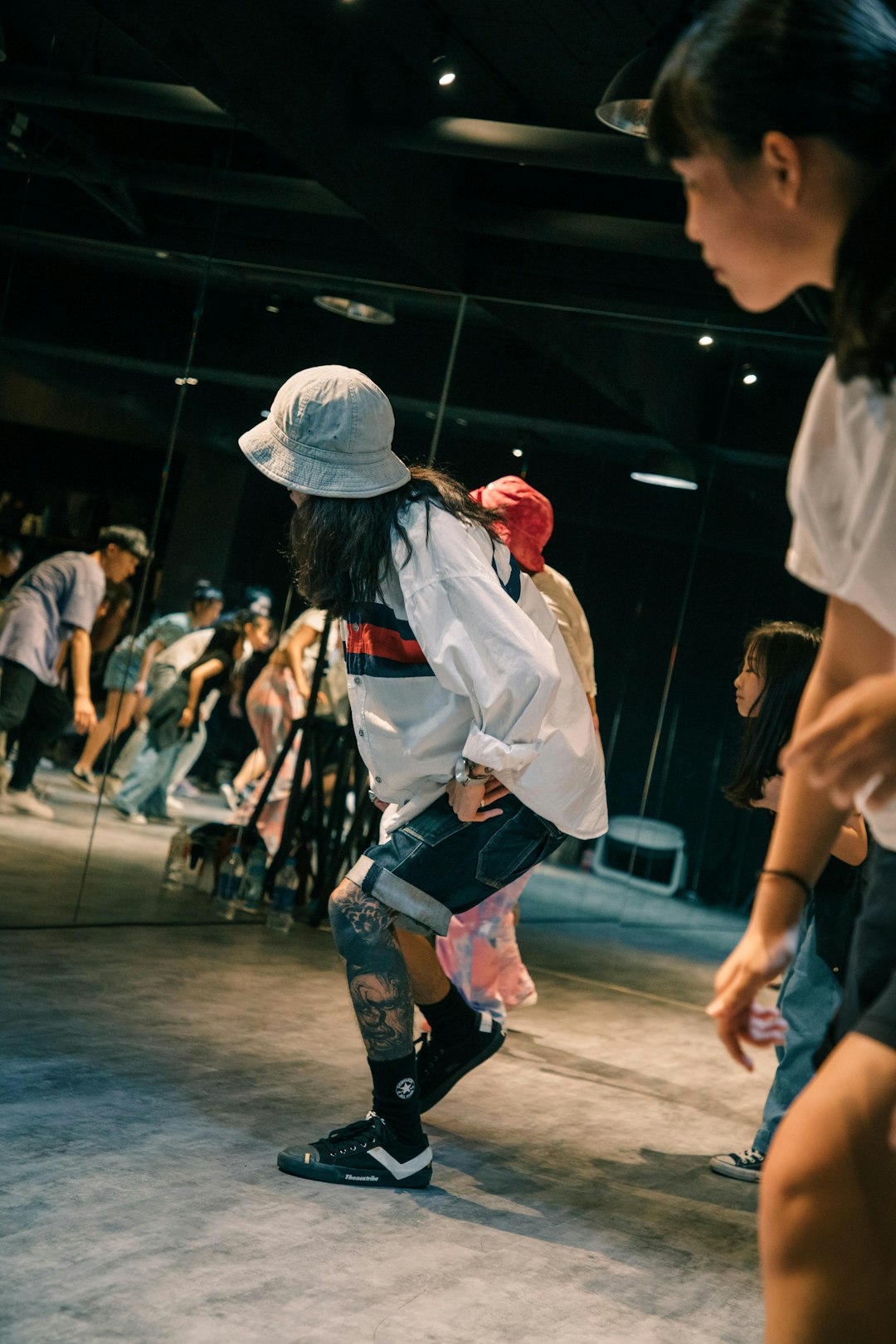
By the early 2000s, Hochre had crossed national borders, finding new homes in art schools, activist spaces, and international festivals. Thanks to digital platforms and diaspora networks, Hochre began to appeal to global audiences, many of whom found relevance in its themes of struggle, resilience, and transformation. This era cemented Hochre’s place as a living, breathing art form that changes with its creators.
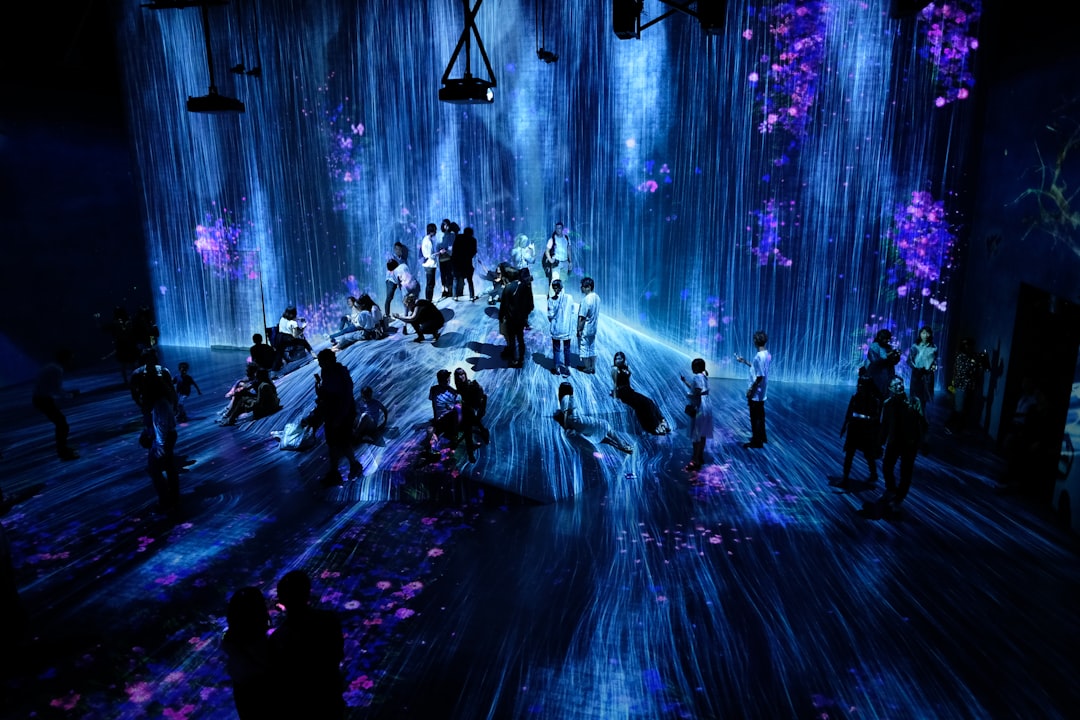
Today, Hochre continues to evolve. Contemporary Hochre draws from street art, hip-hop, theater, and even digital media. Choreographers and musicians experiment with holograms, loop stations, and projection mapping, pushing the boundaries of interactive experience.

Elements That Define Hochre Today
Despite centuries of change, certain core elements define Hochre in its various modern forms:
- Rhythmic Grounding: The beat remains central, whether delivered through traditional drums or looped electronic samples.
- Storytelling: At its core, Hochre tells a story—of place, of identity, or of resistance.
- Gestural Language: Specific hand and body movements still carry symbolic meanings, though open to reinterpretation.
- Interactive Space: Hochre often breaks the ”fourth wall,” inviting audience interaction and participatory response.
Hochre as a Tool for Activism and Healing
In times of political unrest or social upheaval, Hochre has served as a powerful tool for protest and healing. It allows marginalized voices to articulate grievances, revitalize memory, and forge solidarity. From climate marches to feminist rallies, modern Hochre performances channel collective energy in highly visual and emotionally resonant ways.
Additionally, practitioners have incorporated Hochre into therapy and community programs to address trauma, displacement, and intergenerational conflict. Through workshops, participants explore identity, empathy, and shared experience, making Hochre not only a performance but a process.
Prominent Practitioners and Emerging Voices
Several artists and choreographers have helped elevate Hochre’s profile on the world stage. Pioneers such as Liana Doru and Mashel Tembuka fused classical movement practices with traditional Hochre to create compelling new forms. Meanwhile, collectives like The Pulse Circle and Echo Rhythm reinterpret Hochre through Afro-futurist and eco-critical lenses.
Young creatives continue evolving the practice, often blending Hochre with spoken word, virtual reality, and dance battles. These contemporary innovators ensure Hochre remains relevant, responding fluidly to new social contexts and technological possibilities.
The Legacy and Future of Hochre
With its feet firmly rooted in tradition and its gaze extending toward the future, Hochre stands as a testament to the adaptability and enduring power of cultural expression. Educators are increasingly integrating Hochre into curricula focused on cultural studies, performance theory, and decolonial thought. Museums and cultural centers now dedicate space to Hochre performances and archives.
Looking ahead, Hochre’s fusion with machine learning, AI-generated music, and immersive spaces is likely to push the form even further. The emphasis remains on community and storytelling, but the stage is ever-widening—from intimate circles around a fire to global livestreams accessed by millions.
Frequently Asked Questions (FAQ)
-
What is Hochre?
Hochre is a traditional performance art form that originates from indigenous rituals, combining movement, rhythm, storytelling, and symbolic gesture. It has evolved over time to include contemporary influences and global expressions. -
Is Hochre still practiced in its original form?
Yes, in some rural and ceremonial contexts, traditional Hochre is still performed. However, most modern expressions incorporate new artistic and technological elements. -
Who can perform Hochre?
While originally specific to certain communities, contemporary Hochre is more inclusive. Many schools, activism groups, and art collectives globally now teach and perform it. -
How is Hochre being used today?
Hochre is used as a form of performance, protest, therapy, and education. It has become a multidimensional platform for expression and healing. -
Where can I watch or learn Hochre?
Many cultural centers, festivals, and online platforms offer access to Hochre performances and classes. Digital libraries and social media have also become key resources.