



Hospitals are busy places. Doctors move fast. Nurses juggle many tasks. Patients wait, worry, and hope. Now imagine a silent helper working 24/7. It never sleeps. It never gets tired. It studies millions of cases in seconds. That helper is Artificial Intelligence. And it is quietly reshaping the future of healthcare.
TLDR: AI automation is changing how hospitals work. It helps doctors diagnose faster, supports nurses, and improves patient care. Smart machines can analyze data, manage schedules, and even assist in surgery. The future hospital will be safer, faster, and more efficient thanks to AI.
What Is AI Automation in Hospitals?
Let’s keep it simple. AI means computers that can “think” in a smart way. They learn from data. They spot patterns. They make predictions.
Automation means tasks done automatically. No constant human control. No manual repetition.
Put them together. You get systems that can:
- Read medical scans
- Track patient records
- Schedule staff
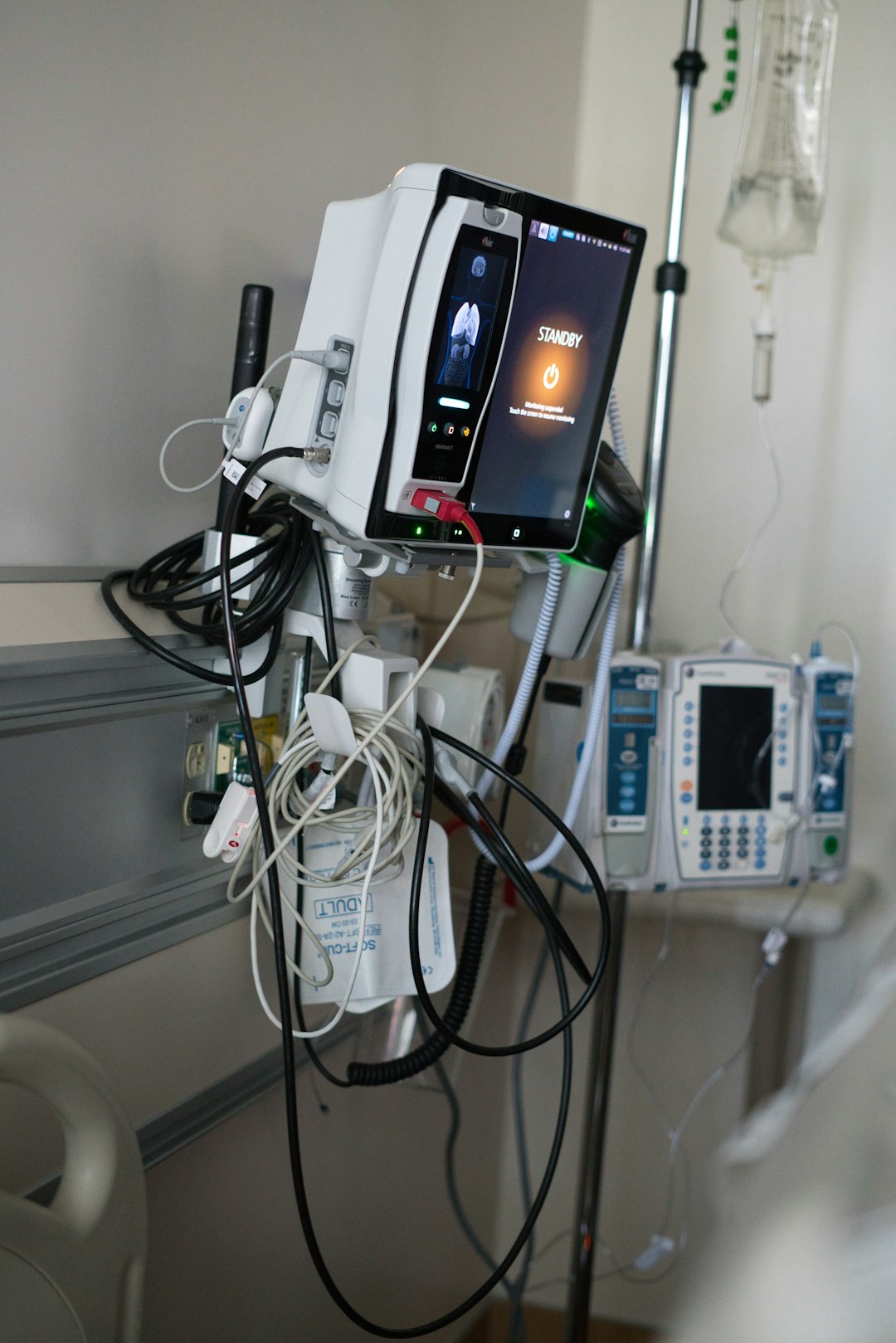
- Monitor vital signs
- Predict health risks
This does not replace doctors. It supports them. Think of AI as a super-smart assistant.
Smarter Diagnoses in Less Time
Diagnosis can be tricky. Doctors study for years to interpret scans. X-rays. MRIs. CT scans. It takes skill.
AI can scan thousands of images in minutes. It compares new images with millions of past cases. It highlights suspicious areas. It flags tiny details that humans might miss.
This means:
- Faster results
- Earlier detection of disease
- More accurate diagnoses
For example, AI systems can detect early signs of cancer. Sometimes even before symptoms appear. That saves lives.

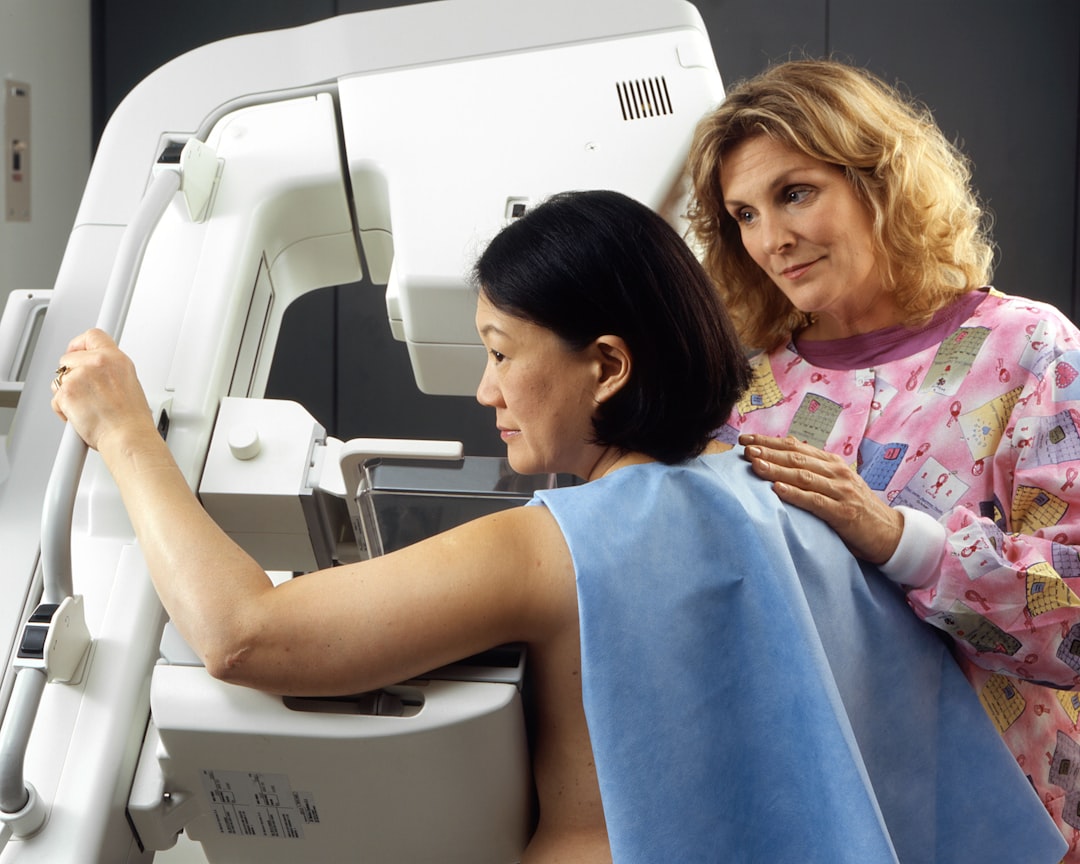
AI does not get distracted. It does not have a bad day. But doctors still make final decisions. The human touch remains essential.
Robots in the Operating Room
Yes, robots are already in surgery rooms. But do not worry. They are controlled by skilled surgeons.
AI-powered robotic systems help with:
- Precise movements
- Steady hands
- Smaller incisions
- Reduced blood loss
Smaller cuts mean faster healing. Patients leave the hospital sooner. That reduces costs.
In the future, AI may guide surgeons in real time. It can suggest the safest path. It can warn about nearby nerves or arteries. It acts like a GPS for surgery.
Predicting Problems Before They Happen
One of AI’s biggest strengths is prediction.
Hospitals collect huge amounts of data. Heart rates. Lab results. Medication histories. Blood pressure readings. It is too much for one person to analyze at once.
AI systems scan this data constantly. They look for warning signs. For example:
- A drop in oxygen levels
- Irregular heart rhythms
- Risk of infection after surgery
If something looks wrong, staff get alerts. Early warnings mean quicker action. Quick action saves lives.
This shift is powerful. Healthcare moves from reacting to illness to preventing it.
Virtual Nurses and Digital Assistants
Nurses work incredibly hard. They manage medications. Answer questions. Check vitals. Update records.
AI can handle some routine tasks.
Virtual assistants can:
- Remind patients to take medication
- Answer common questions
- Schedule appointments
- Collect symptom information
This frees nurses to focus on complex care. More time with patients. Less paperwork.
Some hospitals use AI chat systems. Patients type symptoms into a tablet. The system asks guided questions. It then shares a report with the doctor. This saves time during consultations.

Reducing Administrative Burden
Healthcare has a paperwork problem.
Doctors often spend hours entering data into electronic health records. Insurance forms. Billing codes. Compliance reports.
AI automation can:
- Transcribe doctor-patient conversations
- Fill out forms automatically
- Code medical procedures for billing
- Detect billing errors
Less typing. More caring.
This also reduces burnout. Many healthcare workers feel overwhelmed by administrative tasks. AI can lighten the load.
Personalized Treatment Plans
No two patients are exactly alike. Genetics differ. Lifestyles differ. Medical histories differ.
AI analyzes huge datasets. It compares patients with similar profiles. It suggests treatment options based on outcomes.
This leads to personalized medicine.
For example:
- Choosing the most effective cancer drug
- Adjusting medication doses
- Identifying risk of side effects
The result? Treatments that fit the individual. Not just the average patient.
Improving Hospital Operations
AI does more than treat illness. It helps run hospitals smoothly.
It can predict patient admission rates. It can forecast flu outbreaks. It can manage bed availability.
Imagine this:
- The system predicts a busy weekend in the emergency room.
- It recommends adding extra staff.
- It ensures enough beds are available.
That means shorter wait times. Happier patients. Less chaos.
AI can also manage supply chains. It tracks medical inventory. It predicts when supplies will run low. No more last-minute shortages.


Remote Monitoring and Telemedicine
Healthcare is expanding beyond hospital walls.
Wearable devices track steps. Heart rate. Sleep patterns. Blood glucose levels.
AI analyzes this data in real time. If something unusual happens, doctors get alerted.
Patients with chronic conditions benefit greatly. They do not need constant hospital visits. Care comes to them.
Telemedicine also uses AI tools. During video calls, systems can:
- Analyze speech patterns
- Detect breathing irregularities
- Assess visible symptoms
Healthcare becomes more accessible. Especially for rural areas.
Challenges and Concerns
Of course, it is not all perfect.
There are important questions:
- What about patient privacy?
- Is the data secure?
- Can AI be biased?
AI systems learn from data. If the data is biased, decisions may be biased too. That is why oversight is crucial.
There is also fear of job loss. Will machines replace doctors and nurses?
The short answer is no.
Healthcare depends on empathy. On trust. On human judgment. AI supports professionals. It does not replace compassion.
The Human Touch Still Matters
A machine can analyze a scan. It cannot hold a hand.
A robot can assist in surgery. It cannot comfort a worried family.
The best future combines both worlds:
- Smart machines for precision and speed
- Skilled humans for care and empathy
Doctors will become even more powerful. They will have better tools. Better insights. Better support.
What the Future Might Look Like
Picture a hospital in 2035.
You check in using facial recognition. Your medical history loads instantly. AI reviews your symptoms before you see the doctor.
The doctor enters the room already informed. The conversation is focused. Efficient. Personalized.
Behind the scenes, AI manages staffing. Tracks equipment. Monitors safety. Predicts patient flow.
Care is faster. Errors are fewer. Costs are lower.
This future is not science fiction. Many pieces already exist. They are being tested and improved every day.
Final Thoughts
The growing role of AI automation in hospitals is exciting. It brings speed. Accuracy. Efficiency.
But at its heart, healthcare remains human.
The goal is simple. Better care for more people. Shorter waits. Earlier diagnoses. Safer surgeries.
AI is a powerful tool. When used wisely, it transforms hospitals into smarter, more responsive spaces.
The future of healthcare is not about robots taking over. It is about technology and humans working side by side. And that is something worth looking forward to.