



In today’s fiercely competitive entrepreneurial landscape, startups rely on effective branding to establish a solid presence in the market. Business cards—once thought to be fading relics of traditional networking—are experiencing a digital and design renaissance, thanks to advanced business card generators. These tools have evolved beyond basic printable templates to become vital components in shaping consistent branding strategies across startup ecosystems.
TL;DR
Modern business card generators are empowering startups by offering professional, consistent, and scalable branding tools. These platforms not only streamline the design process but also ensure brand alignment across teams. By integrating with company assets and automation, they reduce time and costs for early-stage ventures. Ultimately, these tools contribute to a more cohesive brand identity and improved networking outcomes.
The Resurgence of the Business Card in the Digital Age
Despite the shift toward online networking platforms like LinkedIn and virtual contacts, tangible business cards remain important, especially during face-to-face meetings, networking events, conferences, and pitch sessions. They serve as compact brand ambassadors, offering not only contact information but also a visual snapshot of the company’s identity.

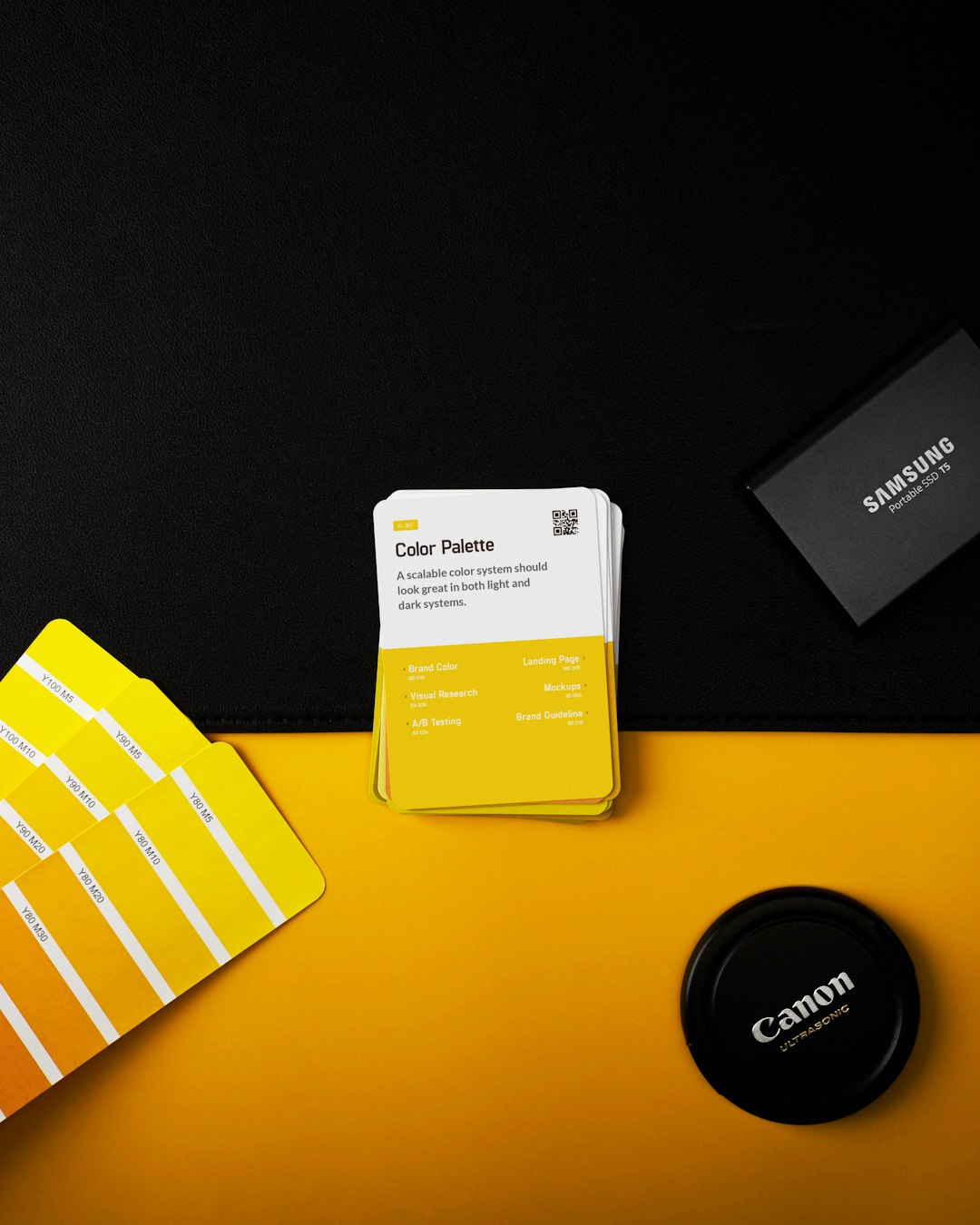
For startups aiming to make a memorable first impression, having a professionally designed, consistent business card can lend legitimacy and confidence to their brand. But building effective brand assets requires time, design expertise, and financial resources—luxuries many new ventures lack. That’s where business card generators step in, offering scalable solutions for early-stage companies.
What Are Business Card Generators?
Business card generators are digital design tools—often web-based—that allow users to create customized business cards from templates. These platforms go far beyond drag-and-drop functionality. Today’s top-tier generators include features such as:
- Brand libraries that store company colors, fonts, logos, and other design assets
- Template locking to maintain consistency across departments
- Automated data population from employee directories
- Print integration with fulfillment services for delivery
- CRM and email signature syncing to extend branding beyond the card
These advanced capabilities contribute significantly to brand consistency, one of the most critical elements of successful startup branding.
Supporting Startups Through Consistent Branding
Brand consistency means using the same logos, colors, fonts, tone, and messaging across every customer touchpoint. For startups, consistency delivers recognizability, helps build trust, and supports long-term brand equity. Business card generators help maintain this consistency by:
- Enforcing design standards through locked templates and centralized brand elements
- Automating updates when changes are made across company branding
- Reducing human error often involved in manual card-making
This is especially important in high-growth environments where new hires are onboarded frequently and need business cards quickly. Branding at scale can easily break down without centralized tools. Business card generators enable teams to maintain a streamlined brand experience, regardless of company size or department.
Boosting Agility in Fast-Paced Startup Environments
Startups evolve rapidly, pivoting business models, adding staff, and expanding into new markets. This pace demands agility, including the ability to update key marketing materials within hours. With manual card production or outsourced design, this becomes a bottleneck.
Business card generators eliminate that lag. If the startup updates a logo or tagline, changes can automatically cascade across all templates. Employees can log in, update their personal contact info, and print or download their new cards in minutes—respecting the new visual identity without creating inconsistencies.

Cost Efficiency for Bootstrapped Founders
Many startups bootstrap and need to make smart budget decisions. Hiring an agency or a freelance designer to make individual business cards is often cost-prohibitive. Business card generators provide a more cost-effective solution by:
- Reducing the need for ongoing design work
- Offering scalable pricing tiers for teams
- Including printing and shipping options directly through the platform
This economic model allows early-stage founders to redirect funds toward product development or customer acquisition while still projecting a polished, trustworthy image.
Environmental Benefits and Digital-First Integration
Another benefit of today’s card generators is their support for eco-friendly options and digital integration. Many platforms let users generate virtual business cards or QR codes that link to online portfolios, contact forms, or company websites—perfect for digital-first startups or remote teams.
Some also offer print-on-demand options, eliminating waste by only producing exactly what is needed. Modern integrations allow employees to export card information directly into email signatures, Slack profiles, and CRM directories, reducing paper usage and improving operational efficiency.
Business Card Generators and Startup Ecosystems
Brands are not built in isolation. Startup ecosystems—comprising incubators, accelerators, coworking spaces, and mentorship networks—play a significant role in encouraging brand alignment and access to shared resources. Many incubators now include branding toolkits in their programs, and that often includes access to business card generators.
By equipping each portfolio startup with brand-consistent business cards, accelerators and incubators reinforce their own brand credibility while empowering cohorts to stand out in investor meetings, demo days, and public launches.
Popular Business Card Generator Platforms
Several platforms lead the charge in helping startups brand smarter using automated, customizable design generators. These include:
- Canva: Offers a friendly design UI with business card templates and brand kits
- Zazzle: Includes printing services and user-friendly templates
- Vistaprint: Combines custom design with on-demand printing options
- Brandly: Specializes in business cards for teams with brand controls
- Moo: Known for high-quality print and clever customization
Each platform caters to slightly different needs, so startups should assess based on team size, design complexity, and integration options.
Conclusion
As startups strive to build legitimacy and scale sustainably, maintaining cohesive branding becomes essential. Business card generators offer an elegant, efficient solution that supports these goals from day one. By empowering startups to communicate clearly, consistently, and confidently, these tools are fast becoming vital assets in modern startup ecosystems.
FAQ
-
What is a business card generator?
A business card generator is an online tool or platform that helps users design, edit, and print business cards using pre-built or custom templates. -
How do business card generators help startups?
They help maintain branding consistency, reduce design costs, and streamline card creation processes, especially in fast-growing, resource-limited environments. -
Do I need design experience to use a business card generator?
No. Most platforms are user-friendly and require no previous design knowledge, making them ideal for founders and teams without in-house designers. -
Are there digital business card options?
Yes. Many generators support virtual cards or QR codes that link to online profiles or portfolios. -
Can different team members create cards while keeping branding consistent?
Absolutely. Most professional platforms offer brand libraries and template locking so that individual users can update personal info without altering brand elements. -
Which business card generator should I choose?
It depends on your needs. Canva is flexible and user-friendly. Moo focuses on premium print quality. Brandly is ideal for larger teams or startups scaling fast.