



Across linguistic, folkloric, and spiritual traditions, the concept of “Antolohe” has captured human curiosity for generations. Known for its elusive origins and multifaceted meanings, Antolohe bridges the realms of antiquity and modernity, symbolizing both ancestral wisdom and evolving identity. Today, it is seeing a resurgence across artistic, academic, and cultural disciplines.
TLDR: Antolohe is a culturally rich and symbolically complex construct with historical roots in myth, ritual, and oral tradition. It has traditionally represented a spiritual or transformative force deeply embedded in folklore. In modern times, it has been reinterpreted as a metaphor for identity, resilience, and cultural revival. As such, Antolohe remains a vibrant touchstone for communities navigating issues of tradition and progress.
Understanding the Origins of Antolohe
The term Antolohe has appeared sporadically in historical texts, oral memories, and ritualistic practices spanning various regions of Eurasia and parts of North Africa. Scholars argue that its etymology is uncertain, with roots possibly in ancient proto-Indo-European or Berber dialects. Originally transmitted through oral folklore, Antolohe was often described as a guiding spirit, a manifestation of ancestral memory, or an avatar of the natural world.
In early contexts, Antolohe served multiple functions, such as:
- Spiritual Guide: Representing protection, wisdom, and transition for aging generations.
- Folkloric Symbol: Appearing in chants, storytelling, and seasonal festivals as a cosmic mediator or trickster figure.
- Cultural Anchor: Cementing social unity and generational dialogue across tribal or diasporic communities.
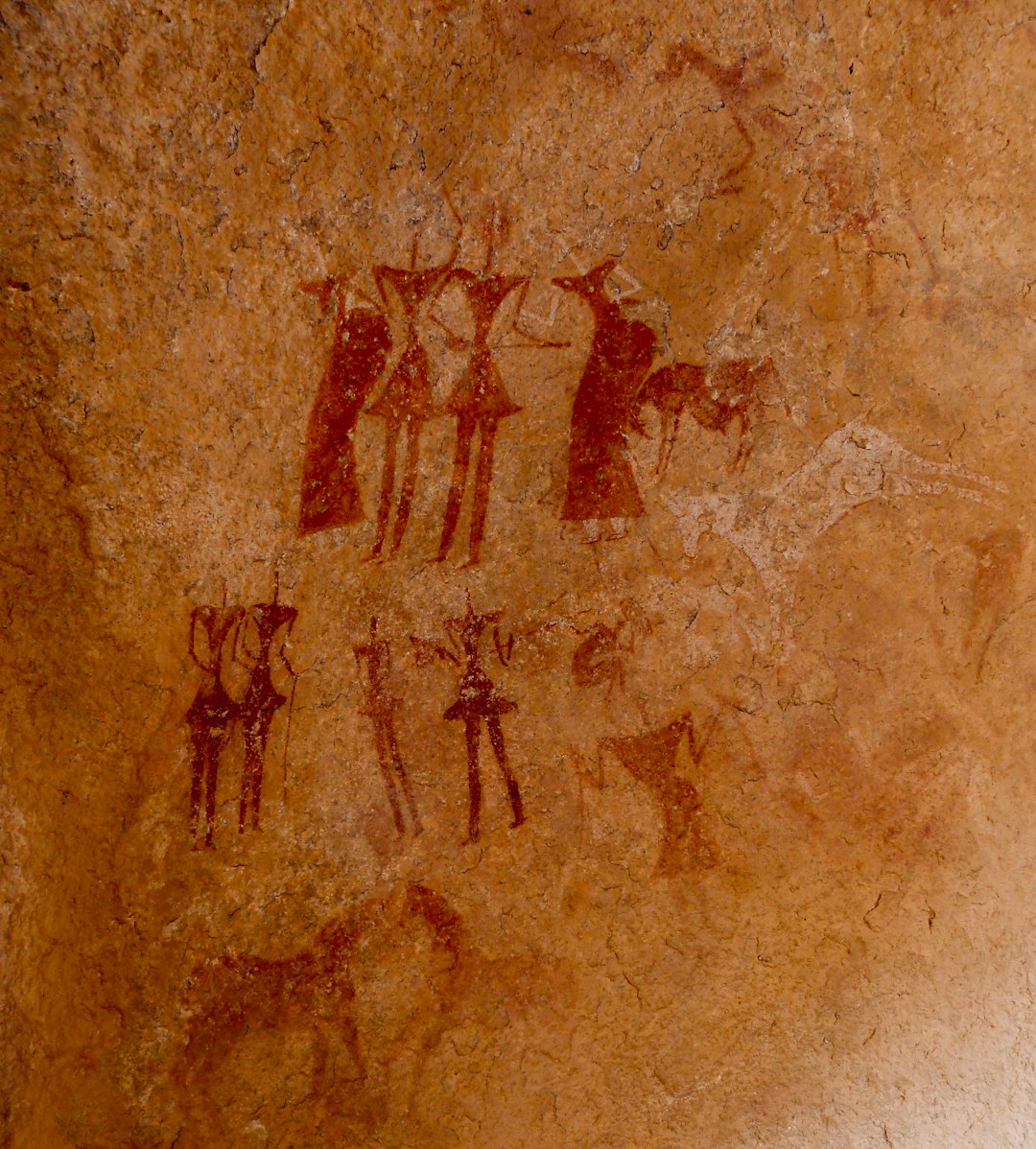
Some of the earliest references to Antolohe come from cave manuscripts and engraved pottery in North Africa, strongly suggesting its use as both a personal totem and a community totemic center.

Cultural Significance Through the Ages
In ethnographic studies, Antolohe emerges as a pivotal emblem in times of crisis, transition, and celebration. Whether invoked in harvest rituals or war chants, its presence denoted continuity. Across decades, three primary cultural roles of Antolohe have been documented:
- Mythical Archetype: Antolohe represents the cyclical interpretation of time — death and rebirth — often symbolized by natural elements such as rivers or desert winds.
- Sacred Messenger: In some esoteric traditions, it was believed that Antolohe carried dreams or spirits between the material world and higher realms.
- Resilient Identity: Especially during periods of colonization or diaspora, communities invoked Antolohe in ceremonies to preserve endangered languages and customs.
Anthropologist Mereen Al-Thani, in her work The Shadow of the Ancestor, emphasized that invoking Antolohe during rite-of-passage ceremonies served to maintain intergenerational ethical codes and perceptions of honor.
Modern Interpretations and Revivals
In the 21st century, Antolohe has experienced something of a renaissance, particularly in literature, visual arts, and community activism. Modern thinkers and creatives have reinterpreted its meanings to align with contemporary issues, including migration, mental health, and digital identities.
Some key modern applications include:
- Artistic Metaphor: Antolohe is frequently depicted in mural projects as a figure representing hybrid identities or diasporic resilience.
- Psychological Symbol: In psychoanalytic circles, Antolohe has been discussed as an internal compass guiding individuals through personal transformation and trauma recovery.
- Educational Paradigm: Grassroots learning initiatives employ Antolohe as a narrative anchor to teach oral history, ethical reasoning, and cultural literacy.

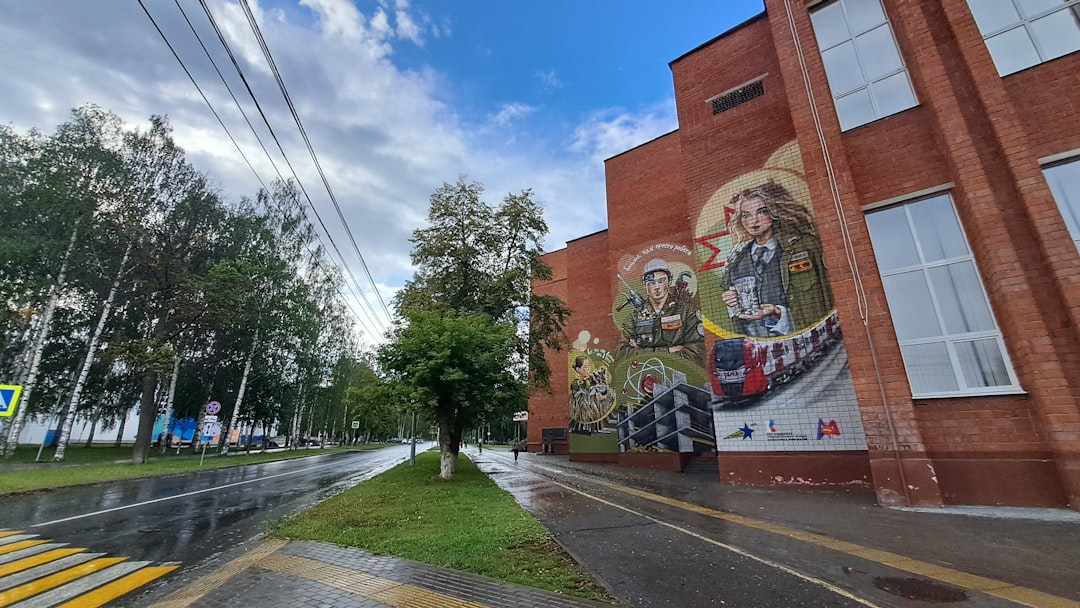
Artists like Farid Naciri and Nourah Bint Hashim have added imagery of Antolohe to their work, using it as a dual symbol of rupture and healing. Often imagined with abstract features — half-earth, half-light — modern portrayals of Antolohe highlight its function as a guide through complexity.
Antolohe in Comparative Mythology
When comparing Antolohe to figures in parallel mythologies, fascinating similarities arise. In some traditions, it recalls the Shinto concept of kami, or the Orisha deities of Yoruba belief systems. All three serve as channels of communication between humans and a metaphysical framework larger than themselves.
Moreover, many societies emphasize the significance of an intercessor spirit that emerges during liminal states — such as adolescence, societal upheaval, or climatic transitions — much like Antolohe. Comparative mythologist Dr. Isaac Witherington argues:
“Cultural templates like Antolohe are not anomalies; they reflect an archetypal need for spiritual resilience stitched into the psychology of communal belief systems.”
Digital Narratives and Antolohe
Interestingly, Antolohe has found its way into digital folklore. Social media users and narrative gaming circles have co-opted the archetypal features of Antolohe to discuss issues ranging from algorithm bias to the loss of community in cyberspaces. Experimental video games like Path of the Unseen use characters based on Antolohe to symbolize quests for identity and rootlessness in a post-globalized world.
As more young people rediscover traditional motifs within modern formats, Antolohe becomes not just a relic but a regenerating symbol — adaptable, misunderstood, yet ever vital. Virtual reality platforms and NFT art forms now often use iterations of Antolohe as signature content within indigenous-centered content libraries.
Controversies and Misinterpretations
Despite its resurgence, the modern embrace of Antolohe has not been without criticism. Several indigenous scholars argue that the commodification and decontextualization of Antolohe risk reducing it to a spiritual aesthetic, stripped of historic and ceremonial weight.
A few concerns raised include:
- Cultural Appropriation: Non-indigenous creators using Antolohe symbolism without understanding its origins.
- Misrepresentation: Oversimplified or commercial portrayals lacking its metaphysical essence or community validation.
- Theoretical Overreach: Scholarly interpretations that divorce the concept from its oral and ritual foundations.
These cautionary voices call for a more respectful, community-guided engagement with Antolohe, advocating for reciprocal dialogues between academic, artistic, and traditional sectors.
Conclusion: Antolohe as a Living Concept
Whether seen as a guardian spirit of the past or a transformative emblem of the present, Antolohe remains a beacon in today’s cultural landscape. As global communities face increasing instability and identity fragmentation, concepts like Antolohe offer a bridge — between old and new, sacred and secular, memory and reinvention.

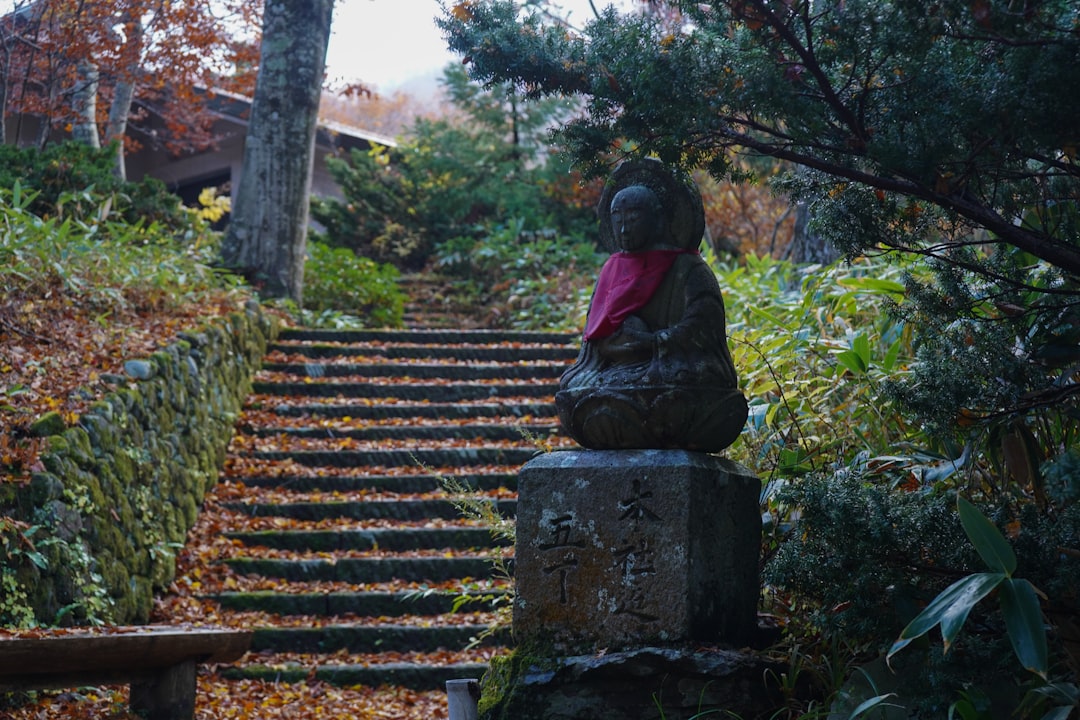
Its evolution reflects the power of symbolic narratives to survive colonization, reinterpretation, and technological change, adapting yet retaining historical weight. Ultimately, Antolohe is not just a myth or a metaphor, but a living, breathing artifact of the human soul — resilient, complex, and enduring.